Tag: Workplace Wellbeing

  • Are You Engaging Your Employees?

    The human body is a complex structure with many integrated systems that work in harmony. The heart is the conductor of the orchestra connecting organs and systems with the arteries and the veins. Taking this analogy and applying it to an organisation, is there any difference? The heart of the organisation is the culture, the values and the conductor the CEO, General Director or senior board. The arteries and veins, the life blood of the organisation – the employees. Extending this thought, would you cut your own artery or vein or deliberately block or fur up the system?

    Why then do we so often “cut” off or “block” our employees the very arteries and veins of any business through inadequate leadership practices, lack of direction, training, empowerment and engagement?

    How often do you hear someone say or read a phrase with the term “engage employees”? We need to engage our employees, increase engagement, measure the engagement of our employees and so on. Clearly something in these phrases is very important to business performance. Anne M. Mulcahy, former chairperson and CEO of Xerox, once said, “Employees who believe that management is concerned about them as a whole person – not just an employee – are more productive, more satisfied, more fulfilled. Satisfied employees mean satisfied customers, which leads to profitability.”

    Truly engaging employees results in creating the right atmosphere, conditions, and morale for all members of an organisation to give of their best each day, not because they have to but because they want to.  It means employees are committed to their organisation’s goals and values, motivated to contribute in building customer loyalty and to organisational success, with an enhanced sense of their personal wellbeing. 

    How come then the 2022 Gallup poll found that 69% of employees are disengaged? Is this a coincidence or is there something reflecting how employees are truly feeling having been “forced” to work from home irrelevant of space, conditions and family environment and in many instances feeling pressurized to return to the workplace? Is it about the lack of human contact, lack of input from leadership on a human level, turning calls and virtual meetings into a “business-only” platform which is the equivalent of only having blood flow through the arteries with no return to the heart via the veins.

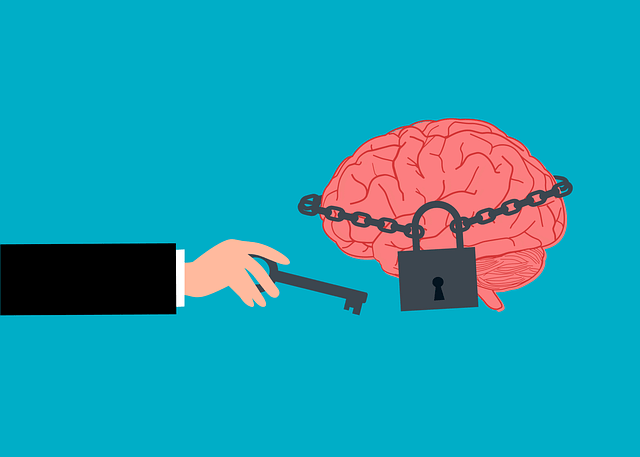
    Engagement, as Anne Mulcahy said is about the whole person, we cannot expect full and complete performance if an employee is engaged with only the left brain. We might use the analogy of looking at employee engagement like looking at a person who has a disease. If you only treat the symptoms by looking at that condition you may relieve the pain, the feelings of indigestion, drowsiness, blood-sugar dysregulation or other, but once you stop with the intervention, whatever that may be, the pain returns. Why therefore with employee engagement do our systems look at measuring performance without measuring wellbeing of each person? The all-too-common KPI’s, objectives and quantative and qualitative goals. How about using the system you already have to support holistic wellbeing as well as to engage your employees? Achievement of a KPI does not necessarily mean employees are engaged.

    Wellbeing is measured in so many ways – mental, physical, social, emotional and spiritual. Should you only measure wellbeing with one of two of these dimensions, you are cutting off several systems that work in tandem. In other words, if one system is out of whack, just as in the body, it will affect other systems either through over-compensation or under-performance. Wellbeing is holistic for each individual as well as for the organisation. If you only recognise and reward achievement, you are limiting overall performance. An easy way of putting that is if you are happy that goals and objectives are achieved according to the KPI’s how do you know what you are missing if everyone in your team would feel secure, valued, nurtured and is able to embrace opportunities for development, what would the result be? The synergy it would create, the outstanding performance, happy, loyal employees and customers, motivation to want to be at work and inspiration to be the best version of what each one can be. Engagement is the arteries and veins that feed the rest of the organisation.

    Engaging employees in their work, the company culture and values is the responsibility of leaders within each organisation. In other words – creating the right environment, genuinely valuing contributions from each employee, building trust, nurturing relationships, and being authentic and transparent.  Leadership behaviour is itself driven by the organisation culture and company values.  The old saying of “the fish stinks from the head down” adequately sums up the need to ensure all levels of management lead by example and roll down wellbeing which drives performance.

    Engagement can be measured in different ways.  However, to be effective it is likely that the process is continuous and uses a combination of ways, such as:

    • Anonymous wellbeing surveys to get credible feedback that leads to relevant changes.
    • Exit interviews – taking the time to really find out why an employee is leaving is critical to reflecting on what can be done better. However, note conducting an exit interview when an employee who has been “used” to achieve KPI’s may not get the result you are looking for.
    • One-to-ones with managers work very well when there is an atmosphere of trust.  Without trust, it will bring limited results at best.
    • Customer satisfaction ratings – The customer is the one who truly bears the brunt of poor employee engagement, experiencing service performance with a “don’t care” attitude. Hearing about customer experiences is a very important gauge whilst also providing pointers for improvement. Asking for customer feedback via surveys has become the norm in many companies. I often wonder how the information is used, especially when nothing changes? Perhaps picking up the phone to gain verbal feedback would be more valuable?

    How can management influence engagement levels? 

    Again, there is no one answer, there are several answers and in reality a combination of different actions are needed to positively influence engagement of each and every employee. First begin with the management team to ensure they are confident and able to lead others effectively. Then:

    • Give employees the chance to do quality work.
    • Maintain a positive work culture.
    • Get employee “buy-in”.
    • Invite and listen carefully to employee feedback.
    • Communicate expectations clearly to employees.
    • Encourage employee collaboration and teamwork.
    • Build an open environment through authenticity, fairness and trust.
    • Give positive feedback and praise employees for their performance.
    • Train and coach to develop potential in each employee.
    • Praise for showing up as their best self.

    It makes sense that employee engagement is part of the core business strategy. Engagement on a consistent basis will pay dividends in increasing productivity, and profitability.  The workplace will be a happier place to be and consequently increase pride and enjoyment in doing quality work, serving customers, as well as succeeding in achieving department and company goals. At that point it is unlikely that you will need to be concerned about the life-blood of your organisation as “blood” will be flowing freely without blockages or obstacles.

    Green Key Personal Development is able to provide you with all the tools necessary to optimise your employee engagement. It’s important that you don’t wait for something to break before investing a few pounds per employee. The time to act is now. Book a no obligation discovery call today. https://calendly.com/greenkey/pd-consultation-meeting?

  • 5 Lifestyle Tips that Support Mental & Cognitive Wellbeing

    Avatar was released in December 2009 and it took the world by storm taking the top place for film viewing since Titanic which stood at $2.218 billion while Avatar to this day stands at $2.2433 billion. It took me a long time to actually decide to watch this movie, having done so I watched it for the second time the next evening. For me this movie is about the untouched human capacity that is dormant due to “chosen” lifestyle, particularly in the western world. The Na’vi who live on Pandora show us the powers we have when living in a world of unconditional love, gratitude and connection with all life – creatures, plants, trees and the environment and not in a world that is separated and disconnected from our environment and from everything within it. It gives a clear picture and deep understanding that humanity is part of the ecosystem and that our physical, mental and cognition depend on this and that we owe ourselves and planet to be healthy. 

    Cognitive wellbeing, as physical and emotional wellbeing is about balance and living in harmony with one another, the earth’s natural biorhythms and Mother Nature. Cognitive wellbeing and mental health cannot simply be addressed through diet, lifestyle, counselling or any other therapy. (No disrespect here, therapies have a place). It is about restoring whole inner balance with oneself and outer harmony with one’s world. 

    No bodily system functions in isolation of other systems. We function as a whole, therefore the whole needs to be addressed. Gut and brain health have a direct connection via the gut-brain axis, and therefore the health of the digestive system is partly if not wholly responsible for cognitive function. There is a reason why the gut is known as the “second brain”. If digestion is not functioning correctly, whether thats seen as constipation or suffering IBS symptoms (irritable bowel syndrome) resulting in urgency and loose stools. Perhaps gastric reflux, bloating or excess gas are causing uncomfortable feelings. These are all symptoms that indicate the digestive system is not functioning optimally and will ultimately affect mental health and cognitive function. 

    Ensuring the digestive system is functioning well requires a varied nutrient-rich diet, with or without meat, depending on personal preference. Chewing food mindfully and eating in peace and not on the hoof, at the computer or in front of the TV. The essence of effective digestion starts with saliva in the mouth when seeing and smelling food which triggers the release of stomach acid ready to accept and start the process of breaking food down to extract what nutrients the body requires from what needs to be eliminated. Healthy digestion also requires water. Most people do not drink enough water which hampers the digestive function and consequently cognitive function due to dehydration.

    There are many different diets out there, and because we are all unique we cannot assume that a diet, such as Keto, FODMAP (fermentable oligosaccharides, disaccharides, monosaccharides, and polyols), or some other diet that might work well for one person will automatically be good for another. However, the one diet that is considered as being supportive of mental health and cognitive function is the Mediterranean diet. This diet is rich in fresh foods, simply cooked, lots of green leafy vegetables, healthy, unsaturated fats from avocados, olives, oily fish, nuts and seeds which are not only essential to brain health, but supports cardiovascular health, as well as aiding in blood sugar regulation. In short eating fresh foods, as natural as possible, avoiding or at least limiting processed foods and ensuring plenty of fresh vegetables, fruit, oily fish and good fats will support good cognitive function into old age.  

    Exercise in general supports good well-being. We are spoilt for choice when it comes to exercise. The most important thing is to keep moving whether just walking, or a specific exercise like swimming, climbing, yoga, Qigong, running, football, dancing etc. No one size fits all. All round fitness protects flexibility, bone and muscle, resilience, cardiovascular and brain health, as well as physical and emotional and mental balance. However, as humans we tend to limit ourselves to one or two kinds of exercise or to a single form which we enjoy doing. Don’t get me wrong it is beneficial, however pursuing a variety of different types of exercise on a regular basis, the more balanced and all round your level of fitness will be. 

    All exercise, especially when we enjoy it stimulates the release of endorphins. The word “endorphin” comes from the word “endogenous” meaning within the body, and morphine which is an opiate pain reliever. Endorphins are created in the pituitary gland and hypothalamus and are a type of neurotransmitter that attaches to opioid receptors, commonly known as reward centers, signaling to the nervous system to calm everything down and provide feelings of inner balance, resulting in a positive state of mind. 

    A couple of things to be mindful of when exercising. If you feel tired and run down, choose exercise that is considerate of your inner and physical state rather than doing a HIIT class or pumping heavy weights that puts further mental and physical strain on the body, depleting resources and instead of releasing endorphins, cortisol is released as a stress response triggering the fight or flight system further depleting energy resources. Choose gentler types of exercise that build flexibility and balance at the end of the day, but still give benefit if you have no other choice but to exercise in the evening or at night.

    Cognitive health, just like health of the physical body is about training and using these muscles regularly, otherwise “if we don't use it we lose it.” If development stagnates through lack of mental stimulation brain cells die and what’s more new neurons will not grow to replace them as it is only mental stimulation that creates new neurons. Activities such as learning a language, doing puzzles and having stimulating conversations that challenge thinking will all support positive cognitive health.

    Bruce Perry, Psychiatrist and Neuroscientist said, “When people start to lose a sense of meaning and get disconnected that’s where disease comes from, that’s where breakdown in our health – mental, physical and social health occurs.” Meditation and mindfulness connect us to the earth and to the true self through slowing down breathing, calming the nervous system and providing mental clarity in relation to situations, decisions and people in our lives.

    Social connections are also important for good cognitive function and mental health through feelings of self-worth, belonging and unconditional love. Humans are social, herd animals. Naturally we want to be with others, perhaps not 24 hours a day, but at some point in the day. Interacting enables us to talk through difficulties, problems and life in general. It is an outlet for knowing we are recognised, respected, loved and valued. 

    The changing nature of how we shop has had an impact on social wellbeing and connection with others. In my lifetime we have gone from shopping locally with the butcher, baker and hardware store to shopping in large supermarkets and mega-marts, or online for the convenience that these options provide. This has also affected local communities in that the elderly and lonely miss out on the chat with Bob the butcher or meeting another customer and having a chat while waiting to be served. These places were not just somewhere that you bought your groceries, meat and bread, they also served as community hubs where people met and would have a quick chat when going about their household errands. In other words, these independent businesses were part of the community.

    lifestyle tips that proactively support cognitive and mental well-being 

    1. Do Something that Brings Joy

    Life, especially in the western world is very much focused on the next step up the ladder – that bigger house, car or a better job in combination with working to pay the bills. Because of all the “noise” that surrounds this type of lifestyle we often lose perspective and sight of what brings joy. Of course, this will likely vary from person to person, but it is not about what it is, but rather that you make time to do it regularly.

    My joy is nature whether that is walking or horse riding, both bring me joy, calms my nerves, connects me to Mother Nature and puts everything into perspective while at the same time clearing any unwanted worry or concern. 

    1. Build Social Relationships

    The English-speaking world has drifted further and further away from what it means to be human. Community life is seldom seen unless you live in a small village where everyone knows everyone and there is an unspoken word to look out for each other, especially the vulnerable, the elderly and children. In cities you can live next door to, above or below another person and you never speak to each other. I am yet to understand why we don't take the opportunity to say a cheery “Good morning” or similar when meeting in the lift, at the shop door or other incidental location. What does all this mean? It means that each one of us has to be conscious about building a circle of people who can be relied on and who share a similar outlook regarding the importance of social contact to build self-worth, emotional and mental wellbeing, whether thats a chat in the lift, street or over the garden fence or inviting each other round for a cup of tea or meeting locally for a chat over a coffee 

    1. Know your Boundaries and when to Say “No”

    This is perhaps one of the more difficult points to observe to preserve physical, mental and cognitive well-being. Knowing one’s boundaries and observing them even when you are asked to do something that deep down you don’t want to do, but go ahead and do it, is neither healthy nor rewarding, often resulting in feelings of resentment or anger at yourself for once again not saying “No”.

    There will always be times when you choose to agree to carry out a particular request even though it is at your own personal cost. This is not what I am referring to. What I am saying is the habitual selflessness that is a deep and generous part of so many, but underneath these habitual actions take a heavy toll, especially on cognitive function consuming and highjacking our thinking processes through repetitive conversations with yourself. End result a massive drain on mental energy and a deepening divide between you and the other person. No one wins.

    This could mean putting in boundaries at work to demands that overburden you such as working late, at the weekend or during your holiday. Or perhaps it is a colleague who constantly gives you the “monkey” knowing that you will not say “No” despite them eating away at your personal confidence. Alternately it could be in your personal life, perhaps accepting an invitation to an event, when you have no interest in going. Babysitting for your neighbors who regularly forget to organize a sitter and ask you at the last minute, or carrying more than your fair share within your family to support and care for elderly parents, or siblings.

    How do you change this pattern of behaviour to find the inner confidence to honour yourself and your authenticity?   Ask yourself “What is behind my inability to say “No”? Write your answers down on a piece of paper until you have exhausted them and then take a look at the list to drill down to identify the real reason. Once you know they reason, put some actions in place to build confidence to say “No” as a choice, and release yourself of the guilty feelings from saying “No”.

    1. Intermittent Fasting or Time-Related Eating

    There is now much research around eating within certain time windows, often called intermittent fasting. This means that you fit your eating in any one day into a certain number of hours, for example 8 or 12 hours giving the body a break from eating for the 16 or 12 hours remaining. Intermittent fasting is not a diet, it's a pattern of eating. It doesn’t change what you eat, it changes when you eat. The beauty of eating in this way is that you begin to understand what hunger actually is; and just because your stomach is empty, it does not mean that you're hungry. 

    Johns Hopkins medicine neuroscientist Mark Mattson, Ph.D., has studied intermittent fasting for 25 years. He says that “Our bodies have evolved to be able to go without food for many hours, or even several days or longer. In prehistoric times, before humans learned to farm, they were hunter-gatherers who evolved to survive — and thrive — for long periods without eating. It took a lot of time and energy to hunt game and gather nuts and berries. These physical activities and the intermittent fasting helped them maintain a healthy weight.”

    Research shows that the intermittent fasting periods do more than burn fat. Numerous studies show that there are powerful benefits for body and brain. It is claimed to cause weight loss, improve metabolic health, improve blood sugar control & perhaps even extend lifespan. Mattson explains, “When changes occur with this metabolic switch, it positively affects both body and brain.”

    The New England Journal of Medicine revealed data about a range of health benefits associated with the practice of intermittent fasting, as follows:  

    • Good for your brain, mental health and cognition -Thinking and memory.
    • Heart health – Improved blood pressure and resting heart rates as well as other heart-related measurements.
    • Changes the function of cells, genes & hormones – when you do not eat for a while your body initiates important cellular repair processes & changes hormone levels to make stored body fat more accessible. 
    • Helps lose weight and belly fat – enhances hormone function to facilitate weight loss. Short-term fasting increases metabolic rate by 3.6-14%, helping burn even more calories. 

    According to Hippocrates, “Our food is our medicine and our medicine is our food”. Therefore, to eat when you are sick is to feed your sickness. Fast forward to today, modern science agrees that having a full stomach all the time is not ideal for long-term health. Evolutionary adaptation has made our bodies very efficient at storing energy reserves, and drawing upon them when food supplies are scarce. 

    A note of caution: Individuals with certain health conditions should seek medical advice before doing intermittent fasting.

    1. Keep Your Brain and Mental Capacity Active 

    Exercising the brain as you would any other muscle in your body is key to the brain being active into old age. As with physical exercise, this means regularly challenging your brain with activities such as Sudoku, crossword puzzles, learning a language, adding figures without a calculator. My siblings and I used to call my father “the ready reckoner” because he would always take the receipt after filling up the car with petrol and then do the calculation in his head of how effective his car was running according to the mileage! He also did the daily crossword, invited stimulating conversation with friends and neighbours. He showed no signs of mental ill-health or cognitive decline in his old age.

    Genetic predisposition of any health condition, does not mean that you will develop the condition. Age-related decline mentally and physically is a part of ageing, but that does not mean that we cannot be physically and mentally healthy into our late 80’s and 90’s if we take care of ourselves through living a meaningful life, challenging ourselves and brain function on a regular basis, eating a nutrient rich diet, movement, hydration and good quality sleep all of which feed healthy cognition, mental, emotional and physical health.


  • 5 Steps to Drive Employee Engagement

    We might ask the question who is responsible for engagement of employees and their development? On the one hand that responsibility can be given to line managers and on the other to employees themselves. Or you might take the other tack of putting the responsibility firmly on the shoulders of Human Resources or Learning and Development specialists. Perhaps the answer lies with all parties taking their fair share of creating, ensuring and committing to engaging for the purpose of driving development and ultimately performance of the individual, team and organisation?

    Personal development, unlike a Michelin star, goes with the individual wherever he or she goes, it does not stay with the organisation that was instrumental in instigating that development. Therefore, you might ask: “What is the point of developing employees if they are going to leave anyway?” Believe it or not I still hear this question far too often! If every organisation and individual is actively engaged in personal development which at the time benefits the organisation in which they are working, then when they leave, the replacement if from outside the organisation will also have a certain level of professionalism, knowledge and skills in their sphere of expertise. Consequently, circulating individuals who are inspired to learn and to engage in their own personal development will not only give to and benefit their new employer, but also keep that employer on their toes to provide further opportunities for development and growth. But as we all know, growth and development do not come without engagement.

    Breaking this down – engagement in the workplace means the absence of presenteeism. It means employees who embrace their role and their responsibilities within that role and are motivated and committed emotionally by what they are doing as well as the opportunities and challenges that present within the role, as well as opportunities to take on other roles whether in the short or long term. As Kevin Kruse, Founder+CEO of www.LEADx.org, wrote in Forbes Daily “Employee engagement is the emotional commitment the employee has to the organization and its goals.”

    “This emotional commitment means engaged employees actually care about their work and their company. They don’t work just for a salary, or just for the next promotion, but work on behalf of the organization’s goals.” Invariably this means that an engaged employee will go that extra mile if needed, they will step in willingly during difficult times, work overtime without being asked and generally hold the interest of the company at the forefront of what they do in their role.

    According to Gallup’s latest State of the Global Workplace Report, 2021, “only 21% of employees are engaged at work. Even outside of work, only a third of the people making up our organizations feel like they are thriving.  This low engagement isn’t an overhyped narrative — Gallup estimates that low engagement costs the global economy nearly 8 trillion USD.”

    McKinsey surveyed over 13,000 workers across the globe for their Great Attrition, Great Attraction 2.0 report, with 45% of respondents having quit or planning to quit over the past year. The top five reasons for quitting show clearly that the inability to retain talent is a direct result of high job demand that is “supported” by inadequate, uncaring and poor leadership that is compounded by inadequate compensation and lack of opportunities for development:

    • Lack of career development and advancement: 41%
    • Inadequate total compensation: 36%
    • Uncaring and uninspiring leaders: 34%
    • Lack of meaningful work: 31%
    • Unsustainable expectations: 29%

    Perhaps there is a hesitancy amongst HR professionals and top leadership to hire in this current climate with the expectation that the UK and perhaps the world, is facing a recession. Surely then if this is true, retention through active engagement has to be the answer? What are some of the ways that employee retention and engagement can be improved? In no order of importance as they are all interconnected, but together make a huge difference to how employees feel and how emotionally engaged they are within their role and the organisation as a whole:

    1. Engage managers and develop leaders

    If managers are not satisfied with what they are doing, it is unlikely that they will inspire others. Start with manager engagement and develop their commitment through knowing their needs, providing support and offering development to support their personal goals as well as the goals of the organisation.  Effective leaders require autonomy. If your organisation expects leadership to follow a set of rules without questioning, without application of personal knowledge and skill, combined with extreme pressure to deliver, perhaps it is not leadership that you are requiring?

     2. Show interest by following up regularly with employees

    There is a big difference between a bot or robot and a human. Humans require recognition for who they are and what they contribute. All managers and leaders should know their team members and be able to relate to them on a personal basis as well as job-related basis. This shows they have a personal interest in the welfare of their team members and show that they are valued. Employees who do not get the necessary recognition to feel valued for their contribution will most certainly look elsewhere.

     3. Give positive feedback and recognise improvement

    It is so easy to see and find someone doing something wrong – in fact is it human nature to notice what is not right as opposed to what is right. Find employees and team members doing things right, recognise their improvements, however small, to encourage more of the same behaviour. Employees who feel valued will undoubtedly become engaged.

     4. Listen to your employees

    Listening is the greatest gift one individual can give another. Managers, peers and colleagues who are unable to truly listen to others are missing out on the opportunity to show interest, connect emotionally, respond to thoughts, ideas and suggestions and demonstrate that they value their input whether implemented or not. Listening empathetically helps build emotional connection which in turn builds trust and confidence in one another.

     5. Plan for career development and advancement

    As seen in the McKinsey survey 41% of employees lacked engagement and left their organisations in search of a position elsewhere because of lack of career development and opportunity. 31% because of lack of meaningful work. Not everyone wants to become General Director, CEO or Group HR Director.  It is human nature to want to improve ourselves and if an organisation, department or team is unable to provide adequate opportunity to learn new skills and gain new knowledge, experience different roles, grow the level of responsibility and increase autonomy, then seriously the leadership of that organisation needs to look in the mirror and question themselves honestly and openly as to why employees are lacking engagement and worse still looking elsewhere for new positions.

    The responsibility for employee engagement falls squarely on the shoulders of leadership within each organisation to develop a culture that truly cares for their workforce, wants and aims to have each employee grow hand in hand with the organisation.  But, more importantly ultimately wants their employees to drive the success of the organisation.

    References:

    https://www.forbes.com/sites/kevinkruse/2012/06/22/employee-engagement-what-and-why/?sh=148639287f37

    https://advise.gallup.com/employee-engagement?campaignid=18945816141&adgroupid=143633586437&adid=635680356857&gclid=CjwKCAjwiOCgBhAgEiwAjv5whMr9eXpYipo3ReeMZSr36ar2DHLyVLxPP25QkECaGmhj8d-0DILhGBoC_iUQAvD_BwE

    https://www.lumapps.com/resources/white-papers/attract-engage-retain-the-employee-experience-advantage/

  • 7 Simple Steps to Mental Wellbeing

    The topic of mental health was already gaining momentum in the workplace prior to the onslaught of Covid. Often looked at in binary terms of those who are healthy and those who have mental illness. The truth, however, is that mental wellness covers a huge spectrum. Even those who are “mentally healthy” can still improve their mental wellness. Is your mental wellness solely your responsibility or does your employer have a role to play in supporting you in this area?  Without self-awareness and knowledge of how to maintain our mental health, poor mental health is something that can affect anyone of us.

    Employers certainly have a lot to gain in ensuring a healthy, happy workforce. A recent study conducted by Cary Cooper and Philip Drew of Oxford Academic, Occupational Medicine states:

    “Both the Chartered Institute of Personnel & Development (CIPD) and the Confederation of British Industry (CBI)/AXA suggest that stress, depression and anxiety account for ∼40% and 37.5% of sickness absence, respectively, making it one of the top five major causes. The Sainsbury Centre for Mental Health suggests that the proportion of sickness absence that can be attributed to mental health conditions could be as high as 44% and suggests that ‘in the absence of more detailed information’, a figure of 40% represents a good point to start from. For the UK working population, ∼175 million working days are lost each year because of sickness absence with ∼70 million days lost (40%) to mental health problems.”

    Mental ill-health covers a huge spectrum from low mood through to anxiety and depression.  Dementia and Parkinson’s are also classified under mental ill-health.  Clearly no-one wants to suffer from Dementia related diseases or Parkinson’s. Therefore, as with all health issues whether mental or physical it is wise to address them from a proactive and preventative perspective, rather than being reactive when things start to get out of hand. At that point it often requires some kind of medical intervention in an attempt to provide quality of life.

    Mental wellness is as much our responsibility as physical wellness.  Infact the two are connected.  Physical wellness achieved through a nutrient rich fresh diet, exercise, down-time and quality sleep, as well as keeping the body and mind  hydrated are also pillars to good mental health.   The binary approach of being healthy or having mental ill-health, is a reflection that we often consider mental health from a limited perspective only.  Mental ill-health is not only the responsibility of the government, charitable foundations, your local doctor and your employer, but first and foremost it starts with you.  We all need to be proactive and treat our mental and physical wellbeing with respect. In doing so, education, information and guidance from other parties does not fall on deaf ears.

    7 simple steps to mental wellbeing7 SIMPLE THINGS YOU CAN DO TO SUPPORT A GOOD MENTAL HEALTH

    HEALTHY GUT – HEALTHY BRAIN

    Research is plentiful on the microbiome-gut-brain axis.  When our digestion is not working well we might suffer symptoms such as constipation, diarrhea, bloating, gas, indigestion or acid reflux.  These are all indicators of an imbalance in the digestive system and that the health of your gut microbiome is suffering.  As the gut has a direct connection to the brain via the gut-brain axis, it means that when the gut is not well, your brain will also suffer.  Perhaps it will be less sharp, unable to remember information or simply foggy?  Maintaining a healthy gut flora is essential for good mental health.

    Several factors need to be considered to ensure a healthy microbiome in the gut including quality and variety of foods.  In other words, your diet needs to feed healthy gut bacteria and starve bad bacteria.  The saying “You are what you eat” speaks loud and clear.  Eating the same thing every day will not populate the gut with healthy bacteria, nor will a diet rich in processed, starchy foods, and sugar.  Key dietary strategies for good mental health include:

    • Eat a low carbohydrate, low glycemic index diet of natural foods.  Limit wheat and wheat-based products which lead to immediate feelings of satisfaction due to the sugar high you experience very soon after eating them.  However 40 minutes later this high leads to a low that results in an energy slump and brain fatigue.
    • Eat the rainbow every day in an assortment of fruit, especially berries, and vegetables (30% fruit :70% vegetables) in order to get a wide range of antioxidants, vitamins, minerals and dietary fibre.
    • Reduce exposure to pesticides, preservatives and additives by eating whole foods and organic where possible.
    • Feed the brain on a daily basis by eating foods high in essential fatty acids (EFAs).  Found in oily fish, olive oil, coconut oil, nuts and seeds, these are essential for good gut and brain health.  Low fat foods seldom contain essential fatty acids and more often than not have added sugar.
    • Spice up your life by including a wide range of herbs and spices in your diet.  Both have many benefits depending on the specifics of the herb or spice.  Perhaps most importantly they provide a plethora of flavours to tantalise the taste buds and stimulate digestive enzymes aiding digestion.
    • Add fermented food and drinks to your diet.  These are packed with good bacteria and easy to include with your everyday meals.  Keffir can be a supplement for yoghurt. Kimchi makes a pleasant change as a slide dish or served with grilled meat or fish. Sauerkraut goes well on salad, in a sandwich or with cold fish or meat.  Kombucha, fermented tea comes in many flavours and can be enjoyed first thing in the morning to get the gut off to a good start or in the evening before going to bed so that it works whilst you are sleeping.

    TREAT YOUR MIND AND BODY WITH RESPECT

    In our fast-paced world we often overlook the importance of taking care of both mind and body.  In fact, we often take our health for granted, working long hours, pre-Covid in an air-conditioned environment, or converted cupboard which is the only place you can find some peace when working from home, eating a quick snack, rather focusing on the kids who need feeding whilst on break between lessons, often missing that walk outside to get some fresh air and movement that had you been in the office, would have meant that at least you would pop out quickly to the local café or supermarket to buy some lunch.

    Treat your mind and body like a temple.  Take care of yourself with the highest intentions to maintain a healthy mind and body.  Put aside “me” time to practice activities that bring inner peace and joy, such as yoga, meditation, singing and dancing.  Through joy and inner peace we raise our self-awareness of how we are feeling so that when listening to your body you can correct your lifestyle and eating habits before symptoms of ill-health start to show on the physical and/or mental levels and the damage already done.

    YOUR BRAIN IS A MUSCLE – TRAIN IT!

    The brain, as for the body requires exercise.  Work activities that challenge your comfort zone and mental constructs are all necessary to keep the brain active, but these activities need to be varied and kept within “safe” limits.  In other words, when you start to agonize over something allowing it to encroach or absorb your personal life leading to erratic behaviour, poor quality sleep and worry, it has gone out of safe limits, and you are well on the road to mental ill-health and burnout.  The importance of knowing when and how to switch off is vital for mental wellbeing and a relaxed demeanor that creates flow, enabling logical and calm thinking, whilst avoiding mental overload.

    STRIDE OUT INTO NATURE TO FILL YOURSELF UP WITH FRESH AIR AND NATURAL LIGHT

    Research around the positive impact of nature on our psychological and physical health, is on the increase. Not all of us have the benefit of a garden, but most live in an area that is close to a park, forest, river, lake or beach where we can enjoy the calming influence of mother nature.  In a 2019 study of 20,000 people, led by Dr Matthew White (European Centre for Environment & Human Health at the University of Exeter), found that people who spent two hours a week in green spaces have better health and wellbeing.  A daily dose of nature helps to regulate inner rhythm to be more in tune with your surroundings.  It helps with increasing your ability to be present rather than tied up and worried about what should be, what has still to be and what might be.  What is now, is what matters.  Mother nature also gives that feel good factor that is so important to stable mental health.

    BE MINDFUL – LIVE IN THE MOMENT

    How you are affects how you are in and with the world. Mindfulness means living in the present, not being concerned about the future or the past, but being fully present to what you are doing now, whether that is typing, doing the ironing or running.  Being mindful enables greater clarity around life and it stops you from being judgmental about yourself or others.  As the famous Jimmy Cliff song says:

    “I can see clearly now the rain is gone.

    I can see all obstacles in my way.

    Gone are the dark clouds that had me blind.

    It’s gonna be a bright, bright sunshiny day”

    A recent study conducted by Oxford Mindfulness Research Centre headed “Parental mental health worse since new lockdown restrictions” states “Participating parents and carers recently reported an increase in symptoms of stress, anxiety, and depression, especially during the period from November to December. This reflected symptoms such as difficulty relaxing, being easily upset or agitated, feeling hopeless, and lacking interest and pleasure, feeling fearful and worried, as well as being more irritable, over-reactive and impatient. This mirrors parent and carer reports of high levels of stress and depression between April and July last year, which were followed by lower levels of these difficulties between July and September.”

    Mindfulness allows you to intentionally see and feel your own emotions, emotions of those around you and respond in a calm manner to what might be going on in yourself or others.  Living in the present creates a conscious choice of how you respond, as opposed to the “tail wagging the dog”, the “dog wags the tail” providing feelings of confidence, comfort and security. In these times of uncertainty, mindful practice is a simple practice that you can tune into at any time, providing you with positive thoughts and feelings about yourself, the situation you are in and the future.

    KEEP YOUR BRAIN AGILE

    The brain is like any other muscle in the body, it needs working to remain active and agile.  It can be mentally stimulated and kept agile through learning new things, for example taking language lessons, attending presentations and talks that stimulate your brain, and pursuing activities such as Sudoko, crosswords, playing Chess, Bridge and Scrabble.

    FORGET THE EXCUSES – TRY SOMETHING NEW AND DO IT ANYWAY!

    It is so easy to get into our comfort zone of routine, that often leads to lack of mental stimulation and isolation from others.  It has taken Covid to highlight the importance of social contact to keep us mentally stable and active, and our brains challenged through conversation.  It has taken Covid to shake our individual comfort zones and make us challenge the need to travel to go and work in an office?  The need to shop for things that soon loose popularity and end up serving no real purpose?  It has taken Covid to make each one of us reflect on how we live our lives and what is truly important.

    Whilst employers have a role to play in creating the right working environment, whether physical or virtual, to educate and train leaders to people manage and lead with empathy, to coach and nurture performance and goal achievement rather than force it, you play an enormous role in securing your own stable and healthy mental wellness that is not only able to meet the challenges of today and the future, but thrive on them. 


    To find out more about how Green Key can help you and your leadership journey, contact Rachel directly.

  • Active Leadership – The Benefits of Combining Movement & Leadership

    When I was a young manager, my first General Manager at the time was a very special man, sadly no longer with us. He was general manager of the Elangeni Hotel in Durban, South Africa and he taught me many things about managing and leading people in what is a demanding, but rewarding industry. He was inquisitive, asked questions not only to satisfy his own interest, but also to check your understanding of what you might have been doing at that point in time, as well as the bigger picture of why I was doing whatever it is I was doing. He was always immaculately dressed, irrelevant of time of day or night in full suit with waistcoat and a red rose in his buttonhole. I don’t think I ever saw him in any other clothing during the 4 years I worked with him. He was respectful of everyone, no matter your position, male or female, senior or younger. I never heard him raise his voice in all that time, even when annoyed. He was a fair man, I suppose strict in some ways. He gave out autonomy to his team members expecting performance as agreed, and these characteristics shone through his leadership approach. On top of this, he led by walking about. He is what I would call an “active” leader. Of course, there were times when he was in his office, but in general once the paperwork, meetings and discussions had been completed, he was out and about. His “finger was totally on the pulse”. Nothing passed him by.

    Much of my leadership approach is based on my learning from this person as well as the variety of people working in the hotel with their vast array of backgrounds, experiences, cultures and education, all doing an honest day’s work in the hotel industry while providing me a fantastic foundation on which to learn. Perhaps they did not feel the same way!

    We often read posts on LinkedIn, X or the like on how important it is to move, to be active whether a manager or not. Personally, I’m a great advocate for this. Managers and leaders generally spend too much time at the computer or other electronic device and not enough time moving, talking to employees and clients. At the same time many managers have ideal job roles that allow them to be active not only before or after work, but also during by combining movement with going around the operations and different departments. Being visible in this way enables managers to see how things are running and to check in with team members, giving individual employees an opportunity to talk, share information, difficulties and so on while also understanding if they have any challenges, what is going well, how they are etc. Being active also provides opportunities to listen to and talk to guests and customers addressing their concerns, hearing their comments and receiving feedback. All while being active and moving around. 

    What is so important about moving? It is not necessary to run a marathon, climb the tallest mountain, or cycle 10 kilometres a day to be active to enjoy the benefits, such as:

    •    Consistent focus, clarity and balanced mental health 

    •    Consistent energy levels throughout the day

    •    Positive outlook 

    •    Reduction in stress, anxiety and mood swings 

    •    Good cardiovascular health 

    •    Easier weight management 

    •    Stronger immune system to combat seasonal bugs and viruses

    •    Better sleep

    If that’s not enough, to this list can also be added building stable and healthy relationships with others, providing the social aspects of life that are so important. Humans are herd animals and to be healthy we need social connections and relationships. A perfect link to the essence of good leadership. Leadership is only possible if followers choose to follow. This requires building relations and consequently trust, understanding employees, strong skills of emotional intelligence and the ability to listen. Showing personal vulnerability, courage, integrity and honesty. A leader cannot demonstrate these characteristics from an office by email or other internal communication system. These tools support face to face communication, but do not replace them. The lessons I learned over 30 years ago from my first general manager are still the same today!

    £340 billion was lost in the UK economy due to employees’ disengagement and 0.8 million workers in 2023/24 were suffering from work-related stress, anxiety and depression according to Perkbox and Vivup. According to HSE Safety, £14.5 billion annual costs in new cases of work-related ill health in 2022/23. How much of this is due to losing contact with employees, just expecting them to perform in accordance with the job description? A recent blog on “Engage Employee” website listed the top five reasons employees go to work and which can be summarised by saying the majority of our employees come to work for the social contact and that sense of belonging. “Engage Employee” survey results with 2,000 employees ranked reasons for coming to work as:

    1.    The People 

    2.    Feeling like I am good at it 

    3.    The hours 

    4.    It’s fulfilling 

    5.    Working as a team 

    Salary was ranked in 6th place.   

    Quite clearly social connection and interaction is rated as extremely important with 3 out of the top 5 reflecting this fact. How can you encourage your managers and leaders to be more active in the workplace, not only to get their “steps in”, and improve their overall well-being and that of their employees, but also to build trust through regular and open communication, stronger teamwork, improve problem solving, and build and manage relations with customers and guests? Being an active leader, costs nothing, but there is much to gain.

    References 

    https://www.engageemployee.com/blog/top-20-reasons-we-go-to-work

    https://hcssafety.co.uk/news/hse-statistics-2024/#:~:text=The%20annual%20cost%20of%20new,22%20to%20%C2%A37.1%20billion.

  • Addressing uncertainty and morale at the start of the new year

    The start of a New year is a time of excitement for many as we embrace the new year coming in and let go of the old year and whatever that encompassed. For most organisations the new year is a time for goal setting and budget planning. After the initial shock of the first week back at work, most of us are inspired, our batteries are full and we feel ready to face the year ahead and what that has in store. The end of 2021 left many feeling exhausted, demotivated and perhaps even lost. Morale was low as dedicated and loyal employees tried to hold it together up to the Christmas break. For many organisations, the final straw that broke the camel’s back, so to say was the cancellation of company Christmas parties, which was until that point been seen as a chance to build morale and set the tone for the coming year, whether to be held in an office, restaurant of other location in line with new government guidance.

    Once again, we find ourselves in a degree of uncertainty around what is and what might be. For some the prospect of redundancy or losing their job due to coerced  personal choice around the actuality of “no jab, no job.” Uncertainty is very draining for all involved and leads to the constant questioning and worry through circulating thoughts and conversation with self and whether things will ever get back to normal.

    Living with change is an important element of doing business. Change does create uncertainty for many, but it usually has a clear end in sight. The current global situation does not share this characteristic. Leaders contradict each other, apply varying degrees of mandated behaviours for it’s citizens and constantly monitor results whilst changing the goalposts with regular aplomb deepening the levels of uncertainty and creating fear.

    On a human physiological level, this translates into fear which is very draining. Fear as an emotion is extremely damaging to health, increasing the potential for burnout. We might not realise that we are fearful of the current situation, but somewhere in our subconscious our brains are looking for ways to protect us from what might be perceived as danger. Hence it is no surprise that having a background alert switched on all the time means we are less happy, less engaged, less creative and hence unproductive and more prone to sickness and absenteeism.

    How can leaders turn uncertainty into certainty?

    For most leaders, it is not possible to predict a certain outcome in circumstances that are beyond our control. Therefore, looking at the circle of influence and control by Stephen Covey in 7 Habits of Highly Effective People, leaders are advised to focus on the areas that they can influence. The first circle is the “Circle of Concern” and includes all the challenges and concerns you have in your life including your working life. The trick with this circle is to understand in the list of items the things that are inside your Circle of Control and not to worry about those that are outside your Circle of Control. The Pandemic is out of your control, and therefore spending time on worrying about it, will not bring any productive or beneficial results.

    As leaders, we need to consider how our team members are feeling in response to the pandemic, and while we cannot control the pandemic and government reactions to changing circumstances, we can influence morale and consequently work performance by focusing on the Circle of Concern and to a certain degree Circle of Influence.

    Can you influence someone’s morale through your leadership? Can you take time to listen to your team members concerns about job security, feelings of anxiety and fear? Truly listening to someone by taking time in a space where devices are switched off the environment safe and “being” with them is one of the greatest gifts you can give. Finding a solution for them is not necessarily required as they will find their own solution to whatever is causing their unrest. Being proactive, instead of waiting for something to happen to encourage these one to one conversations will expand your Circle of Influence while having a positive impact on levels of fear and anxiety.

    Drawing feelings out of your team members either individually or with your department as a team can be very enlightening as well as productive when done using the model of Circle of Influence and Control, as it provides a structure to share safely and openly. Try the following exercise:

    1. Draw the Circle of Concern on a large sheet of paper or interactive whiteboard.
    2. Ask all team members to write their areas of concern on stick-its and then add them to the circle.
    3. When complete, draw another circle that is smaller and in the middle of the first circle. This is the Circle of Control.
    4. Ask them to move any of their stick-its that they have direct control over from the Circle of Concern into the Circle of Control.
    5. Discuss those items that they feel they have no control over and ask the question: What influence can you have over this point/situation?
    6. Draw another circle between the first 2 circles of Concern and Control. This is the Circle of Influence.
    7. Ask them to explore ways they could influence issues in the Circle of Concern. In doing so you might discover solutions and suggestions coming from different group members that are useful for all to structure a way forward despite the fact that there is no possibility to control how the pandemic unfolds.

    When working in times of uncertainty, it is important to realise what you can control, what you can influence and what to avoid wasting time on. Doing this exercise helps visualise and verbalise through constructive discussion aspects of a situation that are causing uncertainty, anxiety and perhaps even fear. Transparency as a leader is critical to enabling constructive discussion, openness and a way to positively ease feelings of uncertainty and anxiety that are being exacerbated by worry and trying to control the uncontrollable. Overall through lightening the load and improving morale we improve productivity and performance and decrease absenteeism and sickness.

    The Christmas party might have been cancelled through factors beyond the control of department and company leaders, but we can still positively influence employee morale, motivation and performance.

    References:

    https://www.entrepreneur.com/article/368994

    Stephen Covey 7 Habits of Highly Effective People

  • An Attitude of Gratitude

    Today is International Women’s Day. This is a day where women all over the world are celebrated for the many roles they play – mother, daughter, wife, aunt, chef, general director, receptionist and so on. Women are everywhere, you could argue the same for men and I would agree. My question is why are women only given formal recognition on one day of the year? Why 8th March? The answers to my questions will be many and varied depending on country and culture, your level of acknowledgment of this day and so on. But underneath the meaning of this day is appreciation and gratitude. Both worthy actions to show someone, whether male or female that you value them and that you are grateful for what they do and how they contribute to your life.


    Gratitude and appreciation are the foundations to showing employees whether male or female how much they are valued and how much you appreciate what they do within their role in your organisation, however large or small. Gratitude is for both large and small actions that contribute to the collective outcome of achievement of goals, to teamwork and to organisation profitability. As in the April 2022 Oak Engage report, “Not feeling valued is the top reason for unhappiness.” Therefore, it is safe to say that feeling valued is the foundation to happiness in the workplace and that according to an Oxford University 2023 study, “Happy employees are 13% more productive”.

    https://www.ox.ac.uk/news/2019-10-24-happy-workers-are-13-more-productive


    Who is responsible for giving appreciation and showing gratitude in an organisation?


    Gratitude when coming from a boss makes employees 50% more successful”.  (Forbes, April 2022)

    https://www.forbes.com/sites/carolinecastrillon/2022/04/24/how-to-create-a-culture-of-gratitude-at-work/


    As in the quote above from the Forbes April 2022 report, the obvious answer to this question, is the supervisor, manager and direct boss. If they want to lead and manage a motivated and inspired team of individuals, showing appreciation regularly is a top priority. That can be a simple “Thank you for…….” given directly to the person with presence showing authenticity through facial expression and body language as well as words used, or more elaborate in the form of “Employee of the month,” or other similar award. In all cases the person needs to recognise what they have done and the value it brings. Sometimes we might refer to appreciation as giving positive feedback on the spot, rather than in a formal situation, such as performance appraisal or other form of performance management.


    Is it just a manager that is supposed to or can say “Thank you” and show appreciation? Actually not. Fostering collaboration within teams is based on appreciation of the role that each person is responsible for and how that person takes responsibility to meet deadlines, commit to and fulfil actions and tasks, jump in to support or cover when someone in the team is struggling, share ideas, help developing those who are not as experienced and encourage fellow teammates in achievement of the goals ahead. We can all share our appreciation of each other by saying a “Thank you” and meaning it whether directly to the person or in a regular meeting where the opportunity is taken to show appreciation and give gratitude in front of the rest of the team.


    When we show appreciation and give gratitude, we create an environment that thrives on support of one another. It is positive, warm and fuzzy, like drinking a mug of hot chocolate in your pyjamas, while still being focused to the job in hand. It is an environment that thrives on individual employees who want to go to work because they love what they do, feel supported and valued. And the benefit according to Forbes 2023 report found that, “Happy employees are 20% more productive.”

    https://www.forbes.com/sites/forbescoachescouncil/2017/12/13/promoting-employee-happiness-benefits-everyone/


    How does working in such an environment help organisation performance?


    There are many research papers and reports that show positive outcomes for all concerned, for example,


     “Highly engaged teams experience 59% less turnover compared to their disengaged counterparts.” (Gallup, November 2023)

     “Highly engaged teams experience 59% less turnover compared to their disengaged counterparts.” (Gallup, November 2023)


    Companies that actively engage employees have customer loyalty rates 233% higher.” (Aberdeen group, 2015)

    https://www.verint.com/Assets/resources/resource-types/white-papers/aberdeen-employee-engagement-paving-the-way-to-happy-customers.pdf


    5% increase in employee engagement can lead to a 3% jump in revenue.” (AON, 2015)  5% increase in employee engagement can lead to a 3% jump in revenue.” (IN, 2015)


    Doubtful that I need to add anything further to answer this question as the quotes above do this vividly. I hope that by joining the dots and making genuine appreciation a regular occurrence and making a habit of giving gratitude that you and your organisation will discover and see the list of positive benefits for both the individual and the organisation when you make “An attitude of gratitude” common place.


    References:

    https://www.ox.ac.uk/news/2019-10-24-happy-workers-are-13-more-productive


    https://www.oak.com/blog/employee-satisfaction-stats/#:~:text=1.,employer%20as%20the%20main%20reason.